
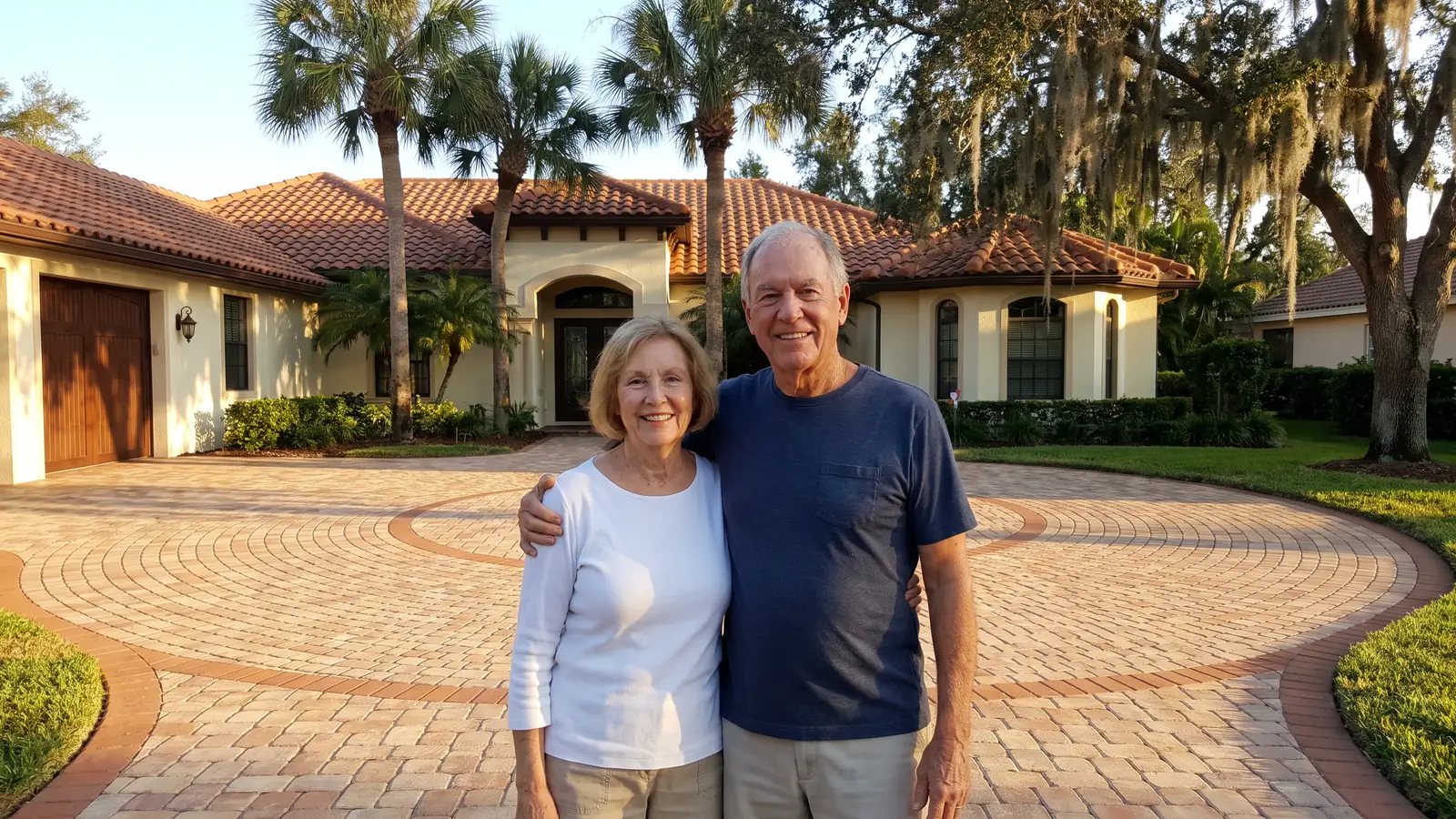
Paver sealing for Jacksonville Beach homes
Paver Sealing in Jacksonville Beach, FL
Pavers fading in Jacksonville Beach? Get local help from Paver Sealing Ponte Vedra Beach. Call (904) 694-6107
- Brings out deeper paver color
- Fresh joint sand helps lock pavers in place
- Gives weeds less room to grow
- Makes the surface easier to keep clean
- Free estimate, no obligation
Request a Free Estimate
Free, no obligations.
Fast, careful paver sealing help in Jacksonville Beach
Paver sealing is available across Jacksonville Beach, from the blocks near the pier to the homes off Beach Boulevard. A local contractor looks over your driveway, walkway or pool deck for free and handles the washing, sanding and sealing. When you request a quote from Jacksonville Beach, you will hear back within 1 business day, usually much sooner.
Picture a driveway gone chalky at the edges, with joints that look thin after another stormy fall. Once it is washed, sanded and sealed, the color comes back even, the joints sit full, and the next rain beads up and runs off. Call (904) 694-6107 and describe what you see on your driveway, walkway or pool deck, and the contractor can tell you how a job would go.
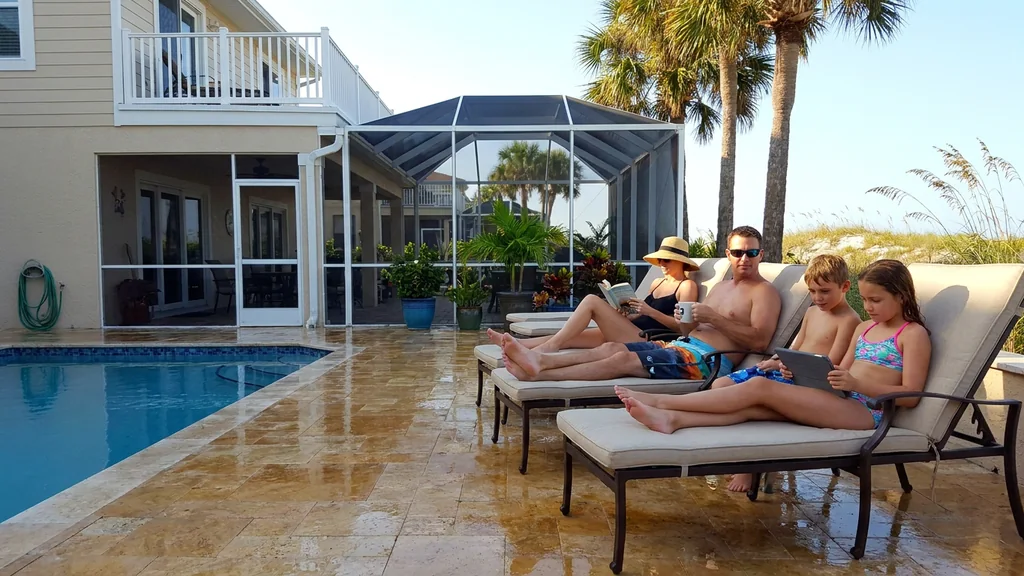
Why Jacksonville Beach chooses Paver Sealing Ponte Vedra Beach
People in Jacksonville Beach tend to want someone local because salt, surge and summer storms all land on the same three blocks of pavers. To hear how that plays out on your street, request a quote.
An estimate before anything starts
The contractor looks over your Jacksonville Beach pavers at no charge. You see a price before you agree to any work.
A number you can check
Published rates around Northeast Florida run $1.50 to $2.50 per square foot. A Jacksonville Beach bid should land near that.
A rinse planned for salt
Salt settles out of the air near the ocean. Ask how the wash will clear it before any coat goes down.
Your call on the finish
Pick matte or wet look after seeing both. Wet look shows scuffs sooner, which matters on a sandy driveway near the beach.
Get Your Free Estimate in Jacksonville Beach
Tell us about your pavers in Jacksonville Beach.
Free, no obligations
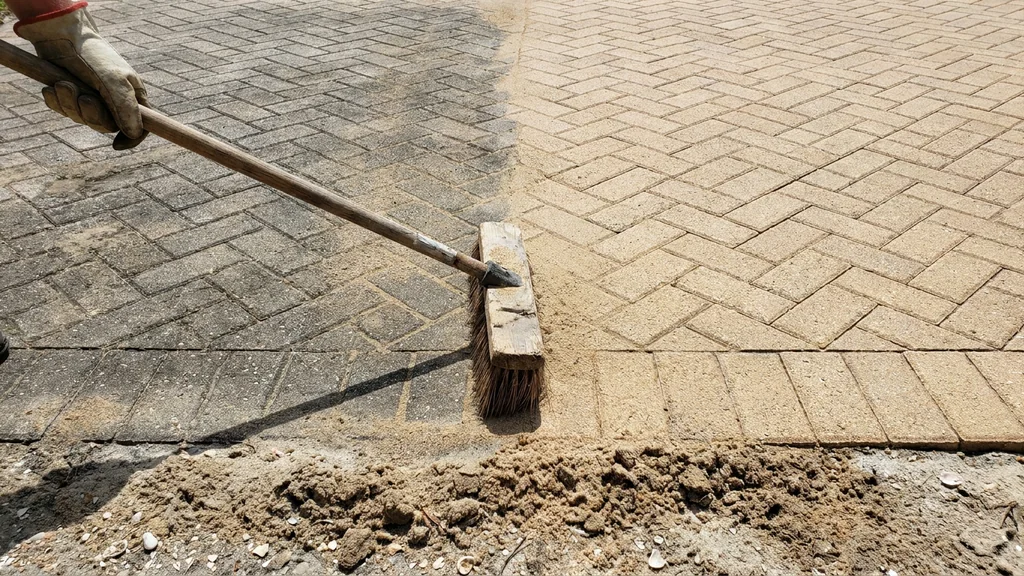
What paver problems show up most in Jacksonville Beach?
Salt that settles and stays
Beach Boulevard runs out at A1A only three blocks from the Atlantic, so salt air is part of daily life here. One paver maker explains that salt rides the air as tiny particles, settles on surfaces and crystallizes as moisture dries. That can add surface wear on softer material, and it builds up quietly between storms. It also means pavers near the ocean need a good rinse first, so a new coat does not go on over a layer of salt.
What Matthew pushed over the dunes
In October 2016, local news reported water going over the dunes and inland to at least 2nd Street. Surge also flooded at least one ground-floor apartment, and the pier was damaged in the same storm. Irma then flooded another Jacksonville Beach home less than 11 months later. If storm water has crossed your pavers since the last coat, tell the contractor, because sealer would hold any film that water left behind.
A white haze that keeps coming back
Moisture moving through cement-based pavers can leave a white residue on top, one manufacturer notes. A Jacksonville paver company adds that most complaints about pavers turning white come from sealing damp surfaces or putting on too much. On a humid Jacksonville Beach morning, that makes patience part of the job. Dry pavers first, then a measured coat, which means the haze has less chance to return once the job is done.
Joints emptied by summer rain
Jacksonville Beach averages about 52 inches of rain a year, spread over roughly 122 wet days. Across the region, most of it falls from May through September in short, hard bursts. Those bursts carry joint sand away, and open joints let soil settle in and feed weeds. That is why a gap you can barely see in spring can turn green by fall. The weed you pull this August probably began as missing sand from last summer.
Low spots a coat will not hide
A Jacksonville company puts it plainly: sealing locks in whatever is there. A dip by the garage or a lifted edge along the driveway stays that way under a fresh coat. After Irma, officials warned here that the soil was saturated, so a walk across your pavers after a big storm is worth the time. Point out any low spots at the first visit.
Does your flood zone change paver sealing in Jacksonville Beach?
It can, mostly in what the wash has to remove. A real estate guide checked FEMA zones for listing addresses, and the sampled addresses in several neighborhoods all sat outside the high-risk zone. Those include Beach Homesites, Ocean Forest, Jardin De Mer, Jax Beach Heights and Hannah Terrace, where salt and summer grime matter more than storm film. Tell the contractor your neighborhood when you request a quote, since that helps set the plan.
The same guide found most sampled addresses in Seascape, The Sanctuary, Villas At Marsh Landing and Oceans Edge in high-risk A zones. Pelican Point was the only neighborhood with coastal V zone addresses, at 11 percent. A low lot that has taken water may need a longer wash and more fresh joint sand than a dry one up the street. Call (904) 694-6107 and mention any water you have seen on your Jacksonville Beach driveway.
Those figures come from a sample of listings, not a count of every parcel, so your own lot may differ. FEMA's map at msc.fema.gov will show the zone for your address in about a minute. Knowing it helps the contractor plan the cleaning before arriving and set a fair price. When you have it, request a quote and include the zone with your Jacksonville Beach address.
What does paver sealing cost in Jacksonville Beach?
Published rates around Northeast Florida run $1.50 to $2.50 per square foot for the full clean, sand and seal. On a Jacksonville Beach lot, salt buildup, missing joint sand and any old coating move a job around inside that range. Pool decks and walkways get measured with the driveway, so more surface means a higher total even at the same rate. To get a figure for your pavers, request a quote, and the estimate is free.
Storm history can change the math too, since pavers that took surge often need a longer wash. A narrow side yard near the ocean takes more time than an open driveway off Beach Boulevard, because gear gets carried in by hand. Get the square footage in writing so two bids can be compared fairly, line by line. Call (904) 694-6107 and the contractor can walk you through what applies to your lot.
| Paved area | Typical example | Clean, sand and seal |
|---|---|---|
| 300 sq ft | Small patio or walkway | $450 to $750 |
| 600 sq ft | Two car driveway | $900 to $1,500 |
| 1,000 sq ft | Large driveway or pool deck | $1,500 to $2,500 |
| 1,500 sq ft | Driveway plus pool deck | $2,250 to $3,750 |
Math based on the $1.50 to $2.50 per square foot that Northeast Florida paver companies published as of November 2026. Your contractor sets the actual price after seeing the surface. Repairs, leveling and stripping failed sealer are usually extra.
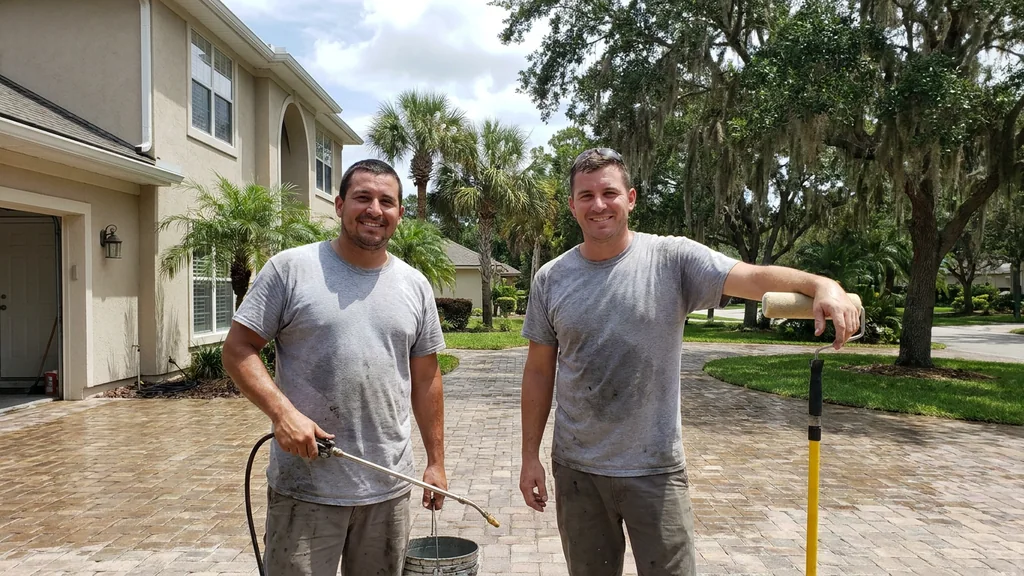
How does a paver sealing job work in Jacksonville Beach?
Walk the lot and read the surface
Start with a walk around your Jacksonville Beach pavers to see how they drain and where low spots sit. Anything sunken needs repair now, since a coat would only lock it in place. If a past owner sealed the surface, the contractor figures out what kind of coat it was, because water-based sealer cannot go over solvent. Mention any storm water that has reached the pavers since then.
Wash away salt and storm film
Cleaning comes next, with extra attention to salt residue and whatever high water left in the joints. Near the ocean, a rinse does more than make the pavers look clean. It clears the salt that settles out of the air, so the sealer bonds to paver and not to residue. Plants and pool edges get protected during this stage.
Refill the joints with new sand
Fresh sand replaces whatever the wash carried out of the joints, and it has to happen before sealing. On Jacksonville Beach driveways that take hard summer rain, full joints keep soil and weeds from moving in. The surface gets swept clean afterward so no loose grains sit under the coat. Expect this step to take longer if a storm has scoured the joints.
Hold out for a dry surface
Damp pavers are the usual reason a coat turns white, so this step cannot be rushed. Around Jacksonville Beach, a humid morning or a passing shower can move the schedule by a day. A careful contractor checks the forecast and the pavers themselves before opening a pail of sealer. That wait is what keeps the finish clear instead of cloudy.
Spray, back-roll and stay off
Pros around Jacksonville usually spray the sealer and then back-roll it, one local company says, for even coverage and to work it into the joints. You choose matte or wet look, and the wet look wears scuffs sooner on a driveway. Plan on walking on it within a few hours and parking after about a day, depending on the sealer and the weather. Plan your next Jacksonville Beach coat two to five years out, the span companies commonly quote.
Complete paver services in Jacksonville Beach
Four stages run in this order on every Jacksonville Beach job: wash, sand, dry, seal. Salt and storm film come off first, and the joints get their new sand once the pavers are clean. The coat goes on last, which keeps anything dirty from being trapped under it. Call (904) 694-6107 and describe the area you want sealed to hear how long yours might take.
Driveways off Beach Boulevard take tires and tracked-in sand from beach days. Pool decks near the ocean see salt, splash and bare feet all summer. A walkway down a side yard stays damp longer than an open driveway, so it may be the last piece to dry. When you request a quote, list which surfaces you have at your Jacksonville Beach home.
Two decisions shape the coat: the sealer type and the finish. A solvent-based coat already on the pavers rules out a water-based product, so that gets checked before anything is ordered. Matte hides sandy wear longer than a high shine, and a wet look can show scuffs sooner on a beach driveway. Talk it through by calling (904) 694-6107, and mention how much sand your driveway collects.
Afternoon bursts from May through September can move a summer date on short notice. Fall has brought surge to this town too, with Matthew in 2016 and Irma in 2017. Cooler, drier weeks tend to leave more room for a dry surface near the ocean. For a date that suits your Jacksonville Beach street, request a quote.
Questions to ask before you hire
- Will you send me a copy of your insurance and any license this work needs?
- Do I need to shut off my irrigation, and for how long?
- Do you want money up front, or only at the end?
- When can I put my car back on the driveway?
- How will you shield my landscaping and lanai screens from overspray?
- Can you do a test patch before you start?
- What do you do if the sealer dries streaky?
Why local matters in Jacksonville Beach
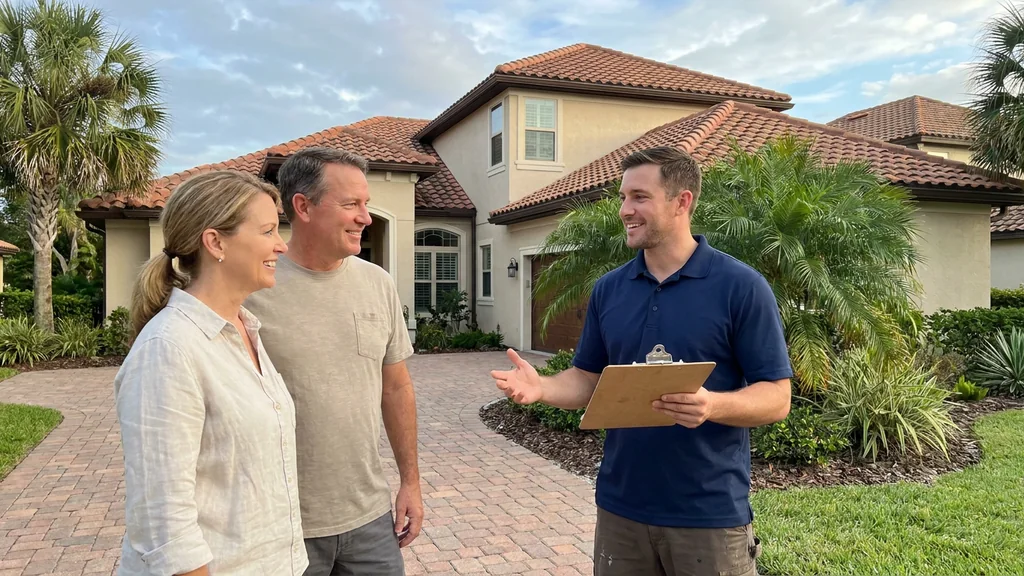
A contractor who knows Jacksonville Beach will ask how far your lot sits from the dunes and whether water reached it during Matthew or Irma. That history decides how much washing happens before any sealer comes out. Someone used to inland subdivisions may not think to ask, and the answer changes the plan. To reach a contractor who works the beaches, call (904) 694-6107 and share what you remember about those storms.
Local timing matters as well, since a beach morning can stay damp long after inland driveways have dried. Salt adds a step that a job in the suburbs may skip, and summer storms arrive fast off the water. Asking how the contractor plans around all of that tells you a lot about the job you will get. You can request a quote and ask that question up front, with no obligation.
Lots here run from condo walkways to single-family driveways, and the city counted 12,789 housing units in 2020. A small courtyard behind an older beach house calls for a different setup than a wide driveway near Beach Boulevard. Someone who has worked these blocks knows where the gear can fit and where it cannot. If your lot is tight, request a quote and note how the contractor would reach it.
Does it help to hire someone who knows Jacksonville Beach?
It does, because this town has been shaped by sand, storms and the road to the ocean. It started as Ruby, became Pablo Beach in 1886 and took its present name in 1925, the same year the Casa Marina Hotel was finished. Beach Boulevard was later built on the old railroad bed. If you live near that road and your walkway looks tired, request a quote.
The Beaches Museum at 381 Beach Boulevard keeps a 1911 train engine and the area's first post office on its grounds. On the oceanfront, the Art Modern lifeguard station dates to 1948, and the Sea Walk Pavilion and Adventure Landing are also part of the city. The pier has taken storm damage more than once, from Floyd in 1999 to Matthew in 2016. Near any of these Jacksonville Beach landmarks, call (904) 694-6107 and name your street.
Frequently Asked Questions
How much does it cost to seal pavers in Jacksonville Beach?
Budget $1.50 to $2.50 per square foot, the range companies around Northeast Florida publish for the full clean, sand and seal. Jacksonville Beach jobs move inside it based on salt buildup, lost joint sand and any old coating. Ask for the measured area in your quote so you can compare bids.
How much should I pay for paver sealing near the ocean?
Use $1.50 to $2.50 per square foot as your yardstick. Pavers that took storm water or carry heavy salt may land toward the top because the wash takes longer. Ask what the quote covers, especially washing and new joint sand.
Is there a downside to sealing pavers at Jacksonville Beach?
Upkeep and timing are the two real costs. The coat wears and will need redoing, and a wet look shows scuffs before matte does. It also needs a dry surface, which can push the date back on a humid beach morning.
What do professionals use to seal pavers in Jacksonville Beach?
They use a water-based or a solvent-based sealer, and whichever is already on the pavers decides which can go next. One Jacksonville company says crews usually spray it, then back-roll it into the joints. Ask for the product name and keep it for the next coat.
Is it better to spray or roll paver sealer?
Most crews do both, one Jacksonville paver company says. Spraying lays it down evenly, and back-rolling pushes it into the joints and stops puddles. A damp surface or too much product is what usually leads to a white, cloudy finish.
How often do you have to seal pavers at Jacksonville Beach?
On Jacksonville Beach pavers, companies commonly quote two to five years between coats. A driveway close to the ocean that takes daily tires is a reason to check toward the shorter end. Splash some water on it: beading means the coat still works, and soaking in means it is time.
Can pavers that took storm water be sealed at Jacksonville Beach?
Yes, once they are clean, re-sanded and fully dry. After high water like Matthew or Irma, the contractor needs to wash off what the water left and replace any joint sand that washed out. Sealing too soon would trap that film, so ask how long the pavers need to dry first.
Should pavers be rinsed for salt before sealing at Jacksonville Beach?
Yes, the salt should come off before any sealer goes down. Salt settles out of the air and crystallizes as moisture dries, and one paver maker says occasional rinsing removes that residue. The contractor's wash handles it as part of the first cleaning stage.
Ready for a Free Estimate in Jacksonville Beach?
Call (904) 694-6107 and tell us about your pavers.
Free, no obligations